Thinking about building a home in Pine Township? You want space, quality, and a smooth path from choosing a lot to moving day. This guide breaks down your options, what to expect on timing and financing, and the local details that matter in Pine Township. Let’s dive in.
Why Pine Township stands out for new builds
You are in the North Hills with quick access to Pittsburgh. Pine Township sits about 15 to 20 minutes north of downtown, close to major commuter routes and daily amenities. Outdoor time is easy with Pine Community Park and nearby North Park, which many buyers consider when looking at estate lots and neighborhood trails. For a quick feel of the area, explore this brief Pine Township neighborhood overview.
Pine Township’s pricing runs above the county median. Public snapshots show Allegheny County’s median around the $250,000 range, while Pine-specific new builds often trade much higher, with many custom homes in the upper hundreds of thousands to well over $1 million. For broad context, review the Allegheny County market snapshot, then confirm current Pine figures with real-time MLS data.
Your new construction options
Custom and estate communities
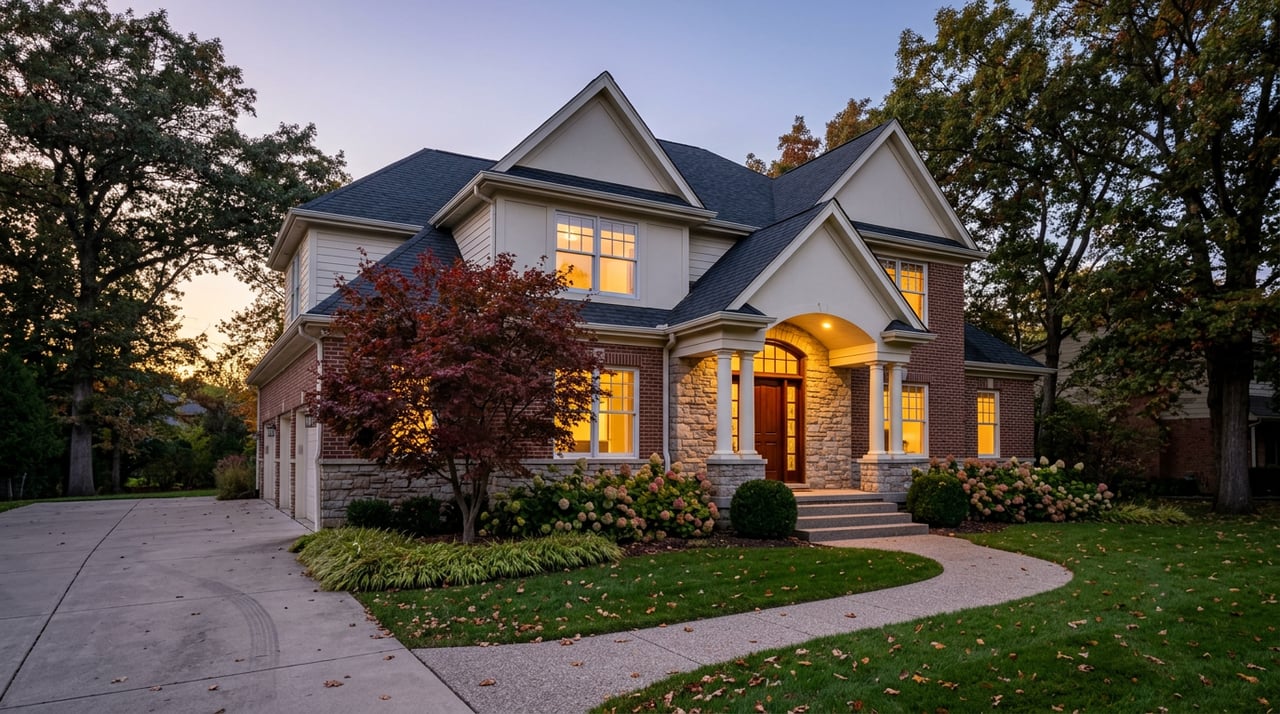
If you want privacy, acreage, and full design control, custom builders in Pine Township deliver. Local firms like Spagnolo Custom Homes and Barrington Homes are known for one-acre-plus and multi-acre lots with tailored architecture and high-end finishes. Spagnolo markets estate opportunities such as Trinity Place, Babcock Boulevard Estate, and The Ridge at Manor, with a bespoke process from concept to completion. Learn more about the custom approach on the Spagnolo Custom Homes profile.
Price expectations for this tier start in the high six figures and frequently move above $1 million, depending on lot, scope, and finish level. Regional coverage highlights steady demand for luxury new homes across the North Hills and supports these pricing bands. For context on current trends, see this regional note on the continuing demand for new homes to the north.
Semi-custom and higher-end spec neighborhoods
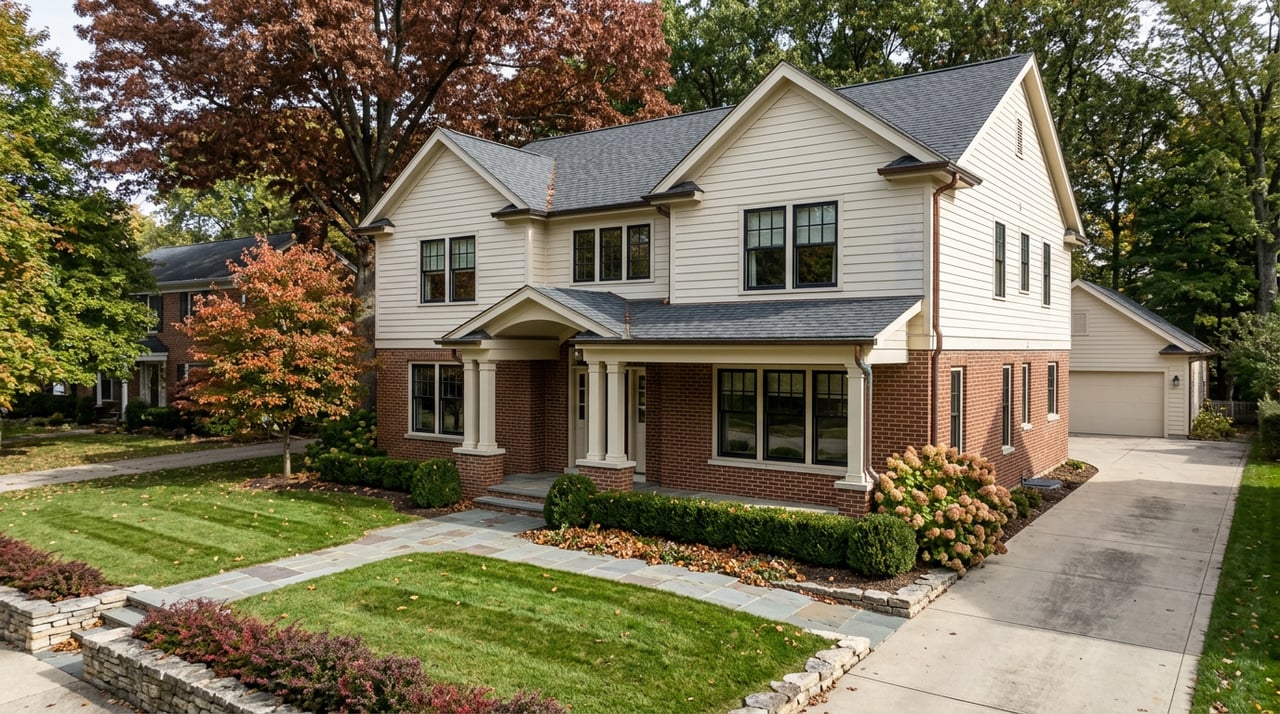
Many buyers prefer a semi-custom path that blends a curated plan set with the ability to personalize key features. North Hills neighborhoods such as North Park Manor and Mallard Pond have offered larger lots with premium spec and semi-custom builds. Move-in ready or near-complete homes appear at times, which can shorten your timeline compared with full custom.
Townhomes and low-maintenance pockets
While single-family homes dominate Pine Township, you will find smaller pockets of townhomes or low-maintenance product in nearby suburbs. These can suit downsizers or buyers who value less exterior upkeep and a simpler ownership experience. Regional builders sometimes mix these offerings into adjacent communities, as noted in North Hills new-home coverage.
Lots, infrastructure, and rules to check
Lot size, topography, and privacy
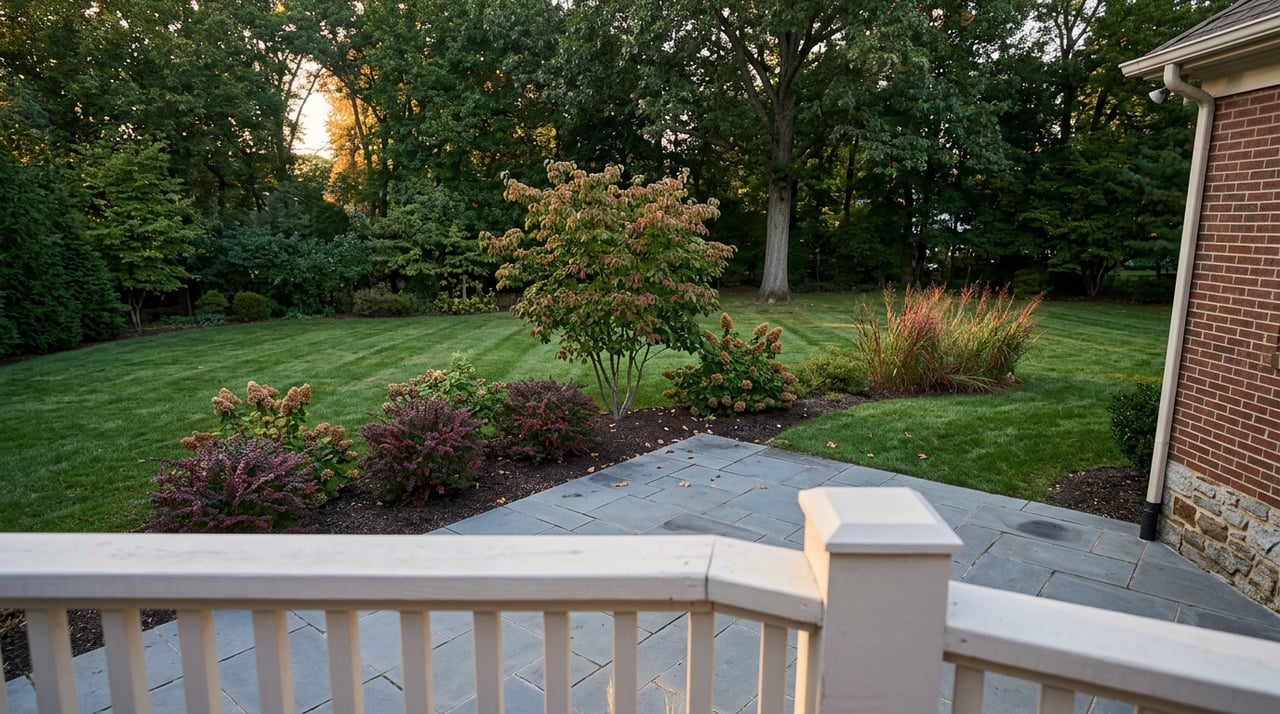
Estate communities often feature one-acre-plus parcels and wooded settings, while some subdivisions include a mix of lot sizes. Always confirm exact dimensions, buildable area after setbacks, and any grading or retaining needs that could affect cost. Many custom builders in Pine highlight privacy and open-space buffers, as seen in local custom builder materials.
Utilities, sewer, and water
Utility setup varies by parcel. Some neighborhoods are on public water and sewer, while others may require on-lot systems or special connection arrangements through regional authorities. Before you commit to a lot, confirm service availability and any connection fees with the township and applicable authorities. Start with Pine’s Building, Planning, and Zoning page for contacts and process guidance.
Zoning, code updates, and permits
Pine Township updated its zoning ordinance with Ordinance 404, effective February 5, 2024. The township is also phasing in statewide UCC code changes tied to the 2021 ICC, with a window through June 30, 2026. These updates can influence setbacks, energy and mechanical requirements, and permit timing. Use Pine’s Building, Planning, and Zoning page to confirm which code applies to your application, understand pre-application meeting requirements, and track submission deadlines.
HOAs, covenants, and amenities
Many Pine Township subdivisions include homeowners associations. Fees and rules vary, and HOAs may cover common-area maintenance, trails, and landscaping. Verify what the HOA includes, who maintains roads and amenities, and any design guidelines that could shape your home plans.
Conservation and view protection
Some estate communities back to preserved or protected open space, which can enhance privacy and long-term views. If this is a priority, ask for documentation on conservation easements and who holds them. Local custom-builder materials often emphasize buffer areas and green space, as shown on estate-lot profiles.
How the new-build process works
From lot to closing
Most buyers follow a similar workflow:
- Choose a lot or a model/spec home.
- Sign the lot or purchase contract.
- Finalize plans and allowances with your builder.
- Secure construction financing or use the builder’s program.
- Apply for township permits and approvals.
- Build through site work, framing, systems, and finishes, with draw inspections.
- Complete final inspections and receive your certificate of occupancy, then convert to a permanent mortgage if applicable.
For a helpful overview, review this new-home building guide. Pine’s pre-application meetings and submission cycles make timing important, so budget a little extra time for plan reviews or variances if needed.
Typical timelines in Pine Township
Pre-construction activities, like design, permitting, and financing, often take 2 to 4 months. Production or spec homes commonly run 6 to 12 months from contract to completion, depending on weather and finish choices. Fully custom builds frequently span 10 to 16 months or longer, especially for large homes or complex sites. See the timeline ranges in this construction guide and remember that local code transitions can also affect schedules.
Financing your new construction
Construction-to-permanent basics
Many Pine Township buyers use a single-close construction-to-permanent loan. The lender funds construction through draws, you pay interest-only on what is drawn, and the loan converts to a standard mortgage when the home is complete. FHA, VA, and USDA also offer single-close programs for eligible borrowers. Learn the fundamentals of a one-time close structure.
What lenders want to see
Expect to provide a signed builder contract, detailed plans and specifications, and an appraisal based on the finished home. Your lender will review the draw schedule, inspection steps, and whether you already own the lot, since lot equity can count toward your down payment. For a practical overview of paperwork and timing, see this construction mortgage explainer.
Warranties, inspections, and buyer protections
What warranties cover
Many builders offer a structure similar to 1 year for workmanship, 2 years for distribution systems, and 10 years for major structural components. Some use third-party warranty programs. Get coverage terms in writing, ask about transferability, and understand the claims process. For an overview of common formats, review this guide to builder warranties.
Inspections and negotiation points
Plan independent inspections at key stages and a careful pre-settlement walkthrough. Buyers often negotiate upgrades, allowance budgets, closing cost credits, landscaping packages, extended rate locks, and warranty details. Production builders may hold firm on base price but can be flexible on incentives. A buyer’s agent who knows local builders can help you secure the right terms, as noted in this new-build buying guide.
Quick checklist before you commit
- School assignment and programs. Verify exact school feeds with the district. For general district context, see the Pine-Richland profile.
- Lot buildability and site work. Confirm setbacks, slopes, tree preservation, drainage, and any retaining or stormwater needs.
- Utilities. Check if the lot has public water and sewer, or what it will take to extend service or install on-lot systems. Start with Pine’s Building, Planning, and Zoning page.
- HOA details. Review fees, rules, design guidelines, and who maintains roads and amenities.
- Builder track record. Ask for recent closings, references, and examples of completed homes.
- Contract clarity. Nail down schedule, allowances, change-order process, payment draws, and any timing clauses.
- Financing readiness. Speak with a construction-loan lender early to understand draw inspections, appraisal timing, and conversion to your end loan.
- Resale lens. Consider neighborhood stability, proximity to parks and employment corridors, and nearby services.
The bottom line
Pine Township offers a strong mix of estate-lot custom homes and higher-end semi-custom options, all within easy reach of Pittsburgh’s North Hills amenities. If you match the product to your priorities, verify the lot and utility details, and set a realistic timeline and budget, you can build with confidence. A local advocate who understands Pine’s code updates, permit cadence, and builder norms will help you avoid costly delays and lock in value.
If you are ready to explore lots, compare builders, or evaluate timelines, connect with Linda Honeywill for tailored guidance.
FAQs
How long does new construction usually take in Pine Township?
- Many production builds finish in 6 to 12 months and fully custom homes often run 10 to 16 months or longer, with 2 to 4 months of pre-construction planning on the front end.
What do new homes typically cost in Pine Township?
- Pine’s prices sit well above the county median, and many custom builds start in the high six figures and move above $1 million depending on lot and finishes.
Are Pine Township lots on public water and sewer?
- Service is mixed by parcel, so confirm water and sewer availability and any connection costs with the township and relevant authorities before you buy.
Do Pine Township new communities have HOAs?
- Many do, and fees and rules vary, so review covenants, maintenance responsibilities, and design guidelines early in your process.
What financing is common for building a home here?
- Single-close construction-to-permanent loans are common, with interest-only during construction and conversion to a standard mortgage at completion.
Should I use my own agent for new construction in Pine Township?
- Yes, a local buyer’s agent can help evaluate lots, compare builders, negotiate allowances and incentives, and coordinate timelines with township requirements.