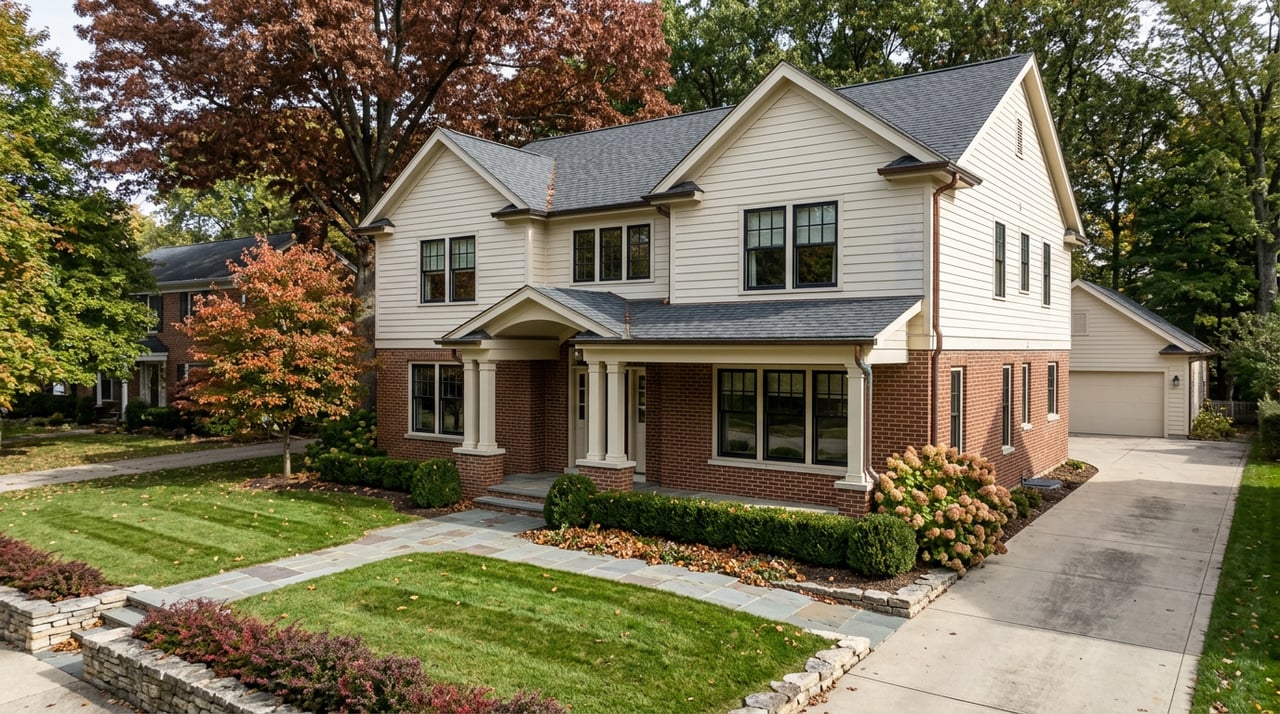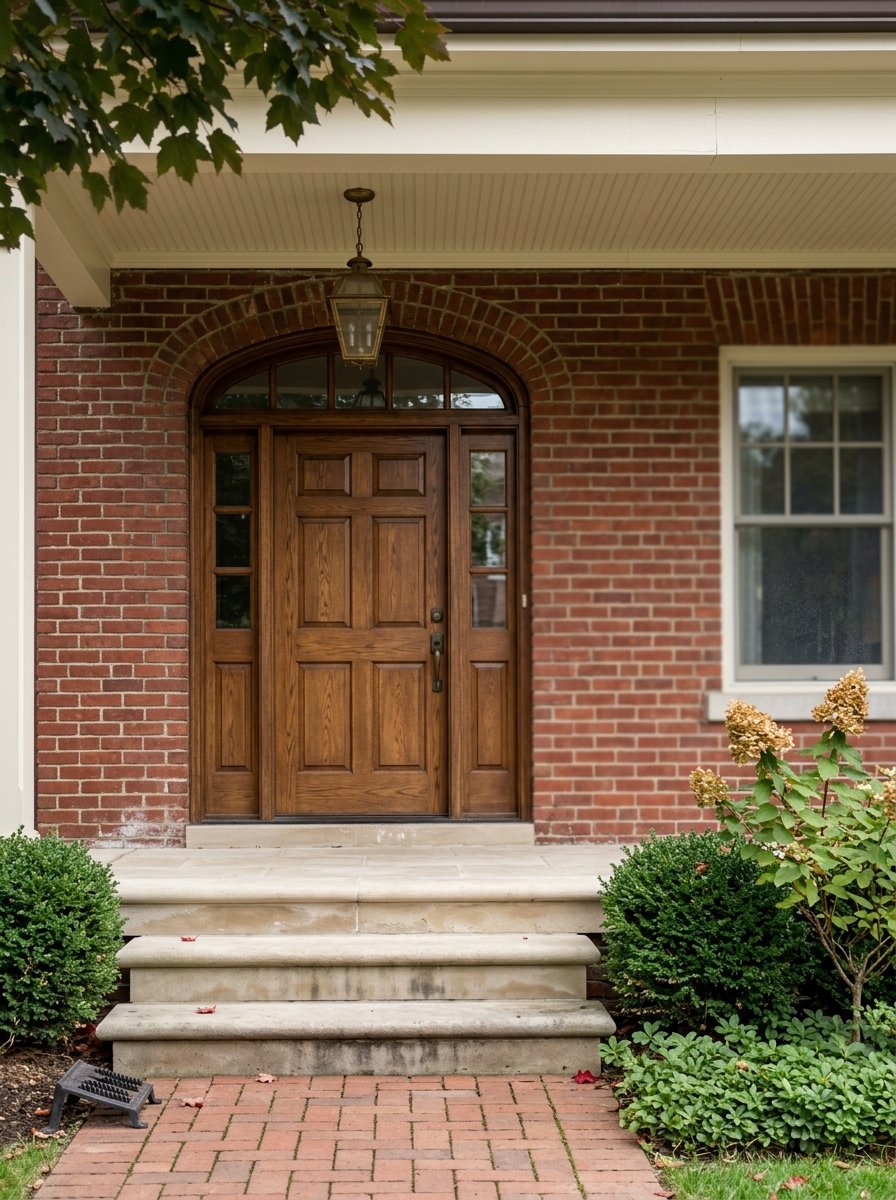
Choosing between a historic home and a newer one in Sewickley is rarely just about age. It is usually about how you want to live, how much upkeep you want to manage, and what kind of home experience matters most to you day to day. If you are weighing charm against convenience in this premium market, this guide will help you compare the real tradeoffs with more confidence. Let’s dive in.
Sewickley’s Housing Story
Sewickley Borough is a compact, one-square-mile community with deep architectural roots. Borough and historical-society materials describe a walkable village pattern centered around Beaver Road and the Ohio River, with residential streets, parks, churches, businesses, and civic amenities close together.
That setting shapes how many buyers experience Sewickley. You are not just comparing floor plans or finishes. You are also choosing between homes that may reflect a long preservation tradition and homes that may offer a more modern day-to-day ownership experience.
Sewickley is also a premium housing market. ACS 2024 data compiled by Census Reporter places the median value of owner-occupied housing units at $464,300, which makes it especially important to understand long-term maintenance, comfort, and renovation expectations before you buy.
Historic Homes in Sewickley
Historic homes in Sewickley often appeal to buyers who value architectural detail, established streetscapes, and a sense of continuity with the borough’s past. The borough has three historic districts, and local preservation is an active part of how the community manages exterior change.
That matters because owning a historic home here can come with review requirements. The borough’s Historic Review Commission reviews exterior work in the three historic districts, and a Certificate of Appropriateness must be approved before a building permit is issued.
What Historic Ownership Can Feel Like
If you love original trim, older windows, period doors, or traditional exterior details, a historic home may feel more distinctive right away. For many buyers, that character is the point. The home can feel tied to Sewickley’s long-standing village identity in a way that newer construction often does not try to replicate.
At the same time, ownership is less of a blank canvas. Exterior changes may need review, which can affect how quickly you move on renovation plans and how freely you make design decisions.
Maintenance Is the Main Tradeoff
The biggest lifestyle consideration with a historic home is usually upkeep. Older homes often need more ongoing attention in areas like painting, weather sealing, insulation work, and selective updates to mechanical systems.
That does not mean every old feature needs to be replaced. The National Park Service says historic windows and doors can often be repaired or upgraded, and that regular maintenance can allow historic windows to last for more than 100 years.
The same guidance also notes that common claims about replacement windows cutting energy costs by up to 50 percent are not true. In many cases, measures like caulking, weatherstripping, repair, and air sealing may improve comfort without removing original materials.
Efficiency Can Improve Without Losing Character
If you are worried that an older home automatically means poor comfort, the answer is more nuanced. The Department of Energy notes that many older homes have less insulation than homes built today, but that does not mean they cannot perform better with targeted improvements.
In practice, buyers comparing historic homes in Sewickley should pay close attention to:
- Window and door condition
- Air sealing and weatherstripping
- Insulation levels
- HVAC age and service history
- Exterior maintenance needs
Those details can tell you much more than the build year alone.
Newer Homes in Sewickley
Newer homes tend to attract buyers who want easier comfort, more predictable maintenance, and layouts built for modern living. If you prefer spending less time on upkeep and more time enjoying the home, newer construction may be the simpler fit.
That appeal is especially strong in western Pennsylvania’s climate. With 5,572 annual heating degree days in the current 1991 to 2020 climate-normal period used for Pittsburgh International Airport, compared with 797 cooling degree days, heating performance matters a lot. Annual snowfall of 44.1 inches reinforces why insulation, air sealing, and durable systems deserve close attention.
Where Newer Homes Often Win
Newer homes generally begin with better building envelopes and newer systems. ENERGY STAR says certified new homes offer better durability, comfort, and lower utility and maintenance costs through air sealing, quality-installed insulation, and high-performance windows and doors.
ENERGY STAR also says certified new homes can use up to 30 percent less energy than typical new homes, with average annual savings of $300. The Department of Energy adds that new exterior doors often fit and insulate better than older types.
For you as a buyer, that can translate into practical daily benefits such as:
- Fewer drafts
- More even indoor temperatures
- Lower likelihood of immediate major replacements
- Less routine exterior maintenance
- A more turnkey move-in experience
Newer Does Not Always Mean No Rules
One common misconception is that a newer home in Sewickley comes with total design freedom. That is not always the case.
The borough’s Village Overlay Design Manual gives direction for new construction and renovation in the Village Overlay District. So even a more recently built home may still be shaped by local expectations about neighborhood context and streetscape.
That is important if you plan to expand, remodel, or make visible exterior changes later. A newer home may be easier to maintain, but it may still exist within a local design framework.
Lifestyle Tradeoffs That Matter Most
When buyers compare historic and newer homes in Sewickley, the decision usually comes down to a few practical lifestyle questions. The best choice is the one that matches how you want to spend your time, money, and energy after closing.
Choose Historic If You Value Character
A historic home may be a better fit if you are drawn to architectural detail and do not mind a more hands-on ownership experience. You may enjoy preserving original features, planning thoughtful upgrades, and working within the borough’s preservation structure.
This path often suits buyers who see maintenance as part of the value, not just a cost. You are buying a home with distinct identity, but also accepting that comfort and efficiency may require more careful planning.
Choose Newer If You Value Convenience
A newer home may be a better fit if you want modern comfort and lower-friction ownership. You may prefer newer insulation, tighter construction, and systems that are less likely to need immediate attention.
This option often works well if your priority is predictability. You still need inspections and due diligence, but the baseline ownership experience may feel simpler and more streamlined.
What to Compare Before You Decide
If you are touring both historic and newer homes in Sewickley, focus on the factors that affect your daily life and future budget most directly. It helps to compare homes in the same order each time so emotion does not overpower practical judgment.
Start with these five checkpoints:
- Preservation or design rules: Find out whether the home sits in one of the borough’s historic districts or within the Village Overlay District.
- Windows and doors: Look at condition, fit, drafts, and whether repair or replacement may be needed.
- Insulation and air sealing: Ask what has been updated and where comfort issues show up seasonally.
- HVAC age: Review service history and likely replacement timelines.
- Ongoing upkeep: Estimate how much time and money you are realistically comfortable investing.
These comparisons usually reveal the true tradeoff faster than cosmetic finishes do.
Why This Decision Is So Personal
In Sewickley, the age of a home is really a lifestyle question. Historic homes often offer preserved character and a stronger connection to the borough’s architectural tradition. Newer homes often offer easier comfort, efficiency, and a more straightforward ownership routine.
Neither choice is universally better. The right fit depends on whether you want your home to deliver more personality, more convenience, or a careful balance of both.
If you are comparing homes in Sewickley and want guidance that goes beyond surface-level features, working with a local advisor can help you weigh condition, location, upkeep, and long-term fit with more clarity. To explore your options with a team that knows Sewickley and the North Hills market, connect with Linda Honeywill.
FAQs
What makes a home historic in Sewickley?
- In Sewickley, the practical issue is less about a single age cutoff and more about the borough’s preservation framework, including its three historic districts and exterior review process.
Do historic homes in Sewickley always need window replacement?
- No. The National Park Service says historic windows and doors can often be repaired or upgraded, and measures like caulking, weatherstripping, and storm windows can improve comfort and performance.
Are newer homes in Sewickley cheaper to operate?
- Not always, but newer homes generally start with better insulation, air sealing, and newer systems, and ENERGY STAR says certified new homes are designed for lower utility and maintenance costs.
Can newer homes in Sewickley still face design rules?
- Yes. The borough says the Village Overlay Design Manual guides new construction and renovation in the Village Overlay District, so newer homes are not always free from local design expectations.
What should buyers compare first when choosing between historic and newer homes in Sewickley?
- Start with preservation rules, window and door condition, insulation level, HVAC age, and the amount of ongoing upkeep you are comfortable accepting.