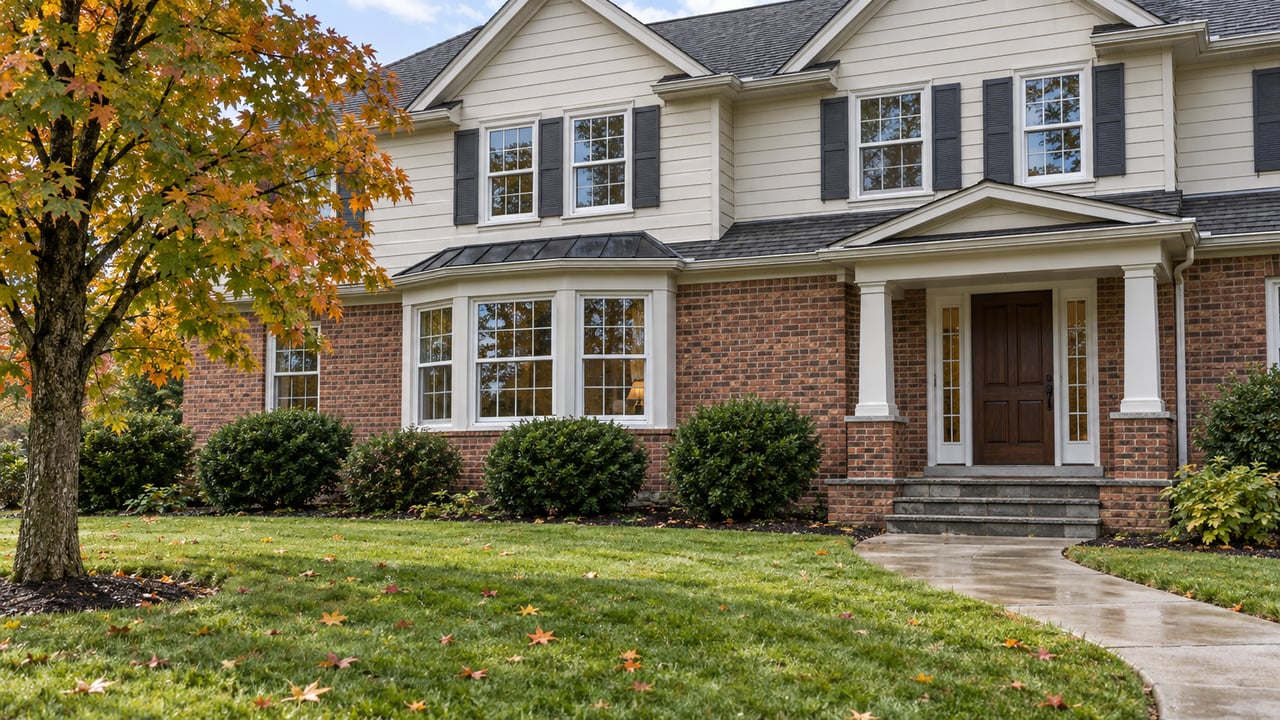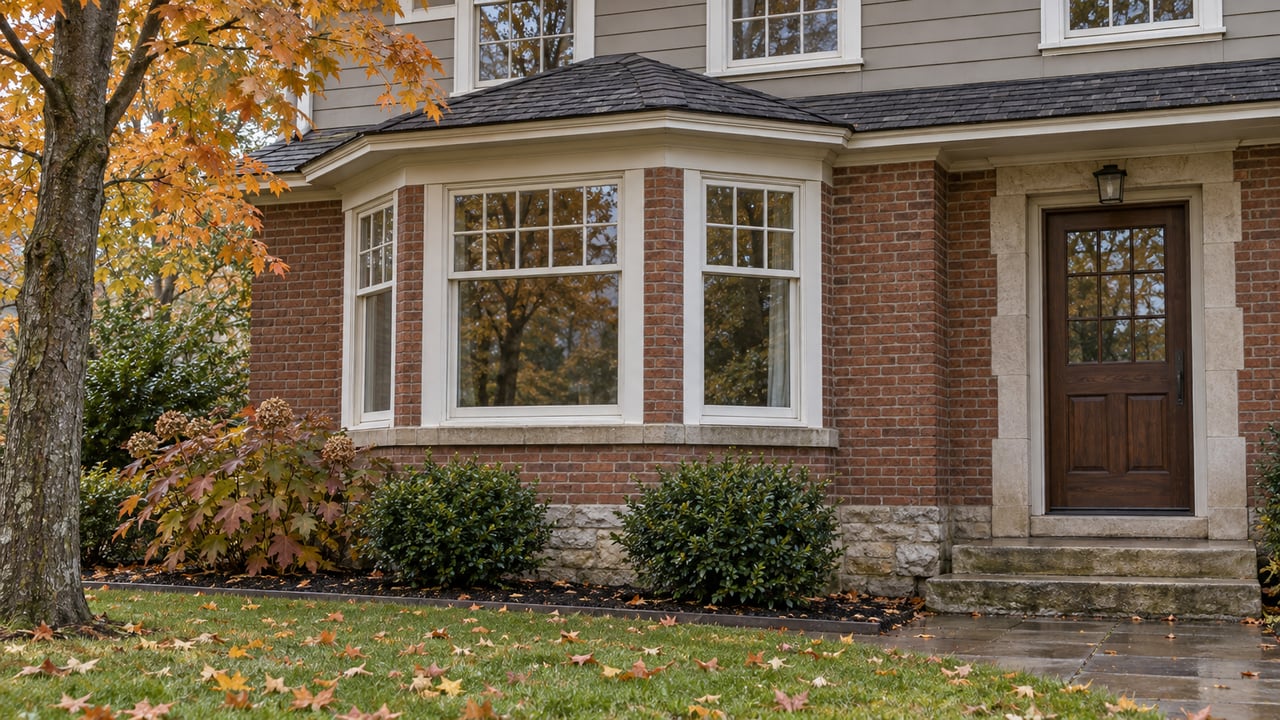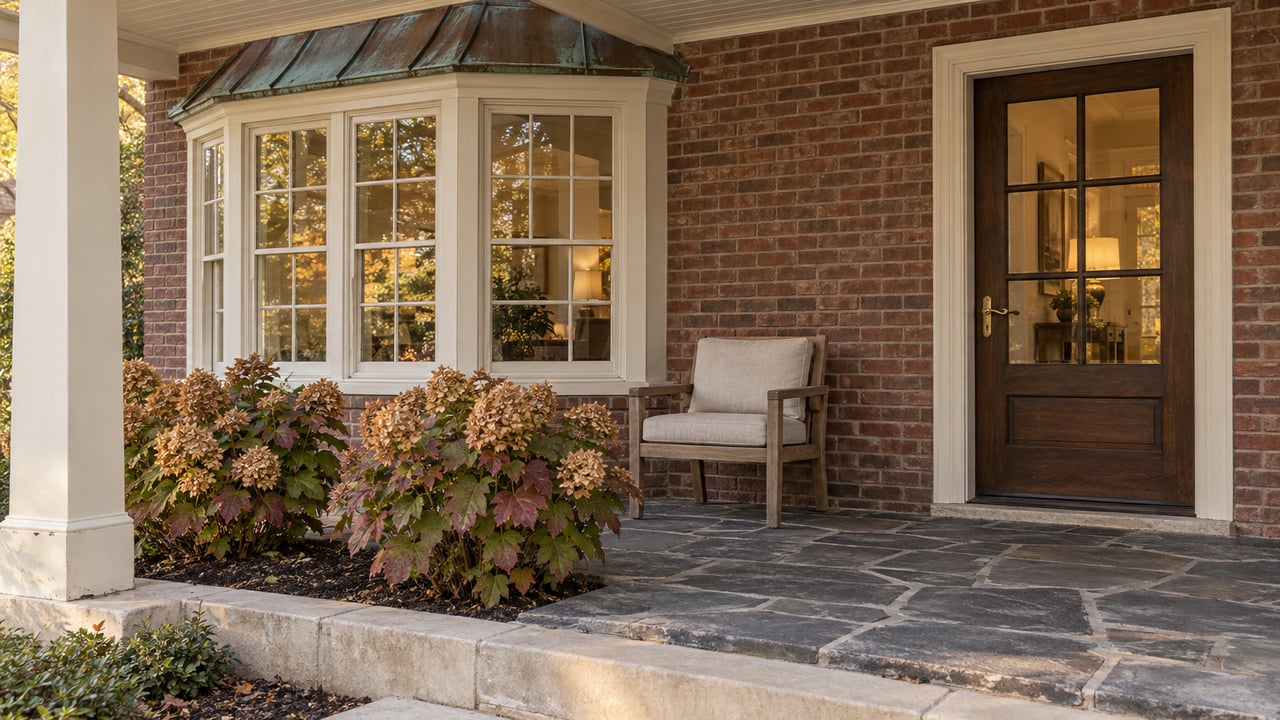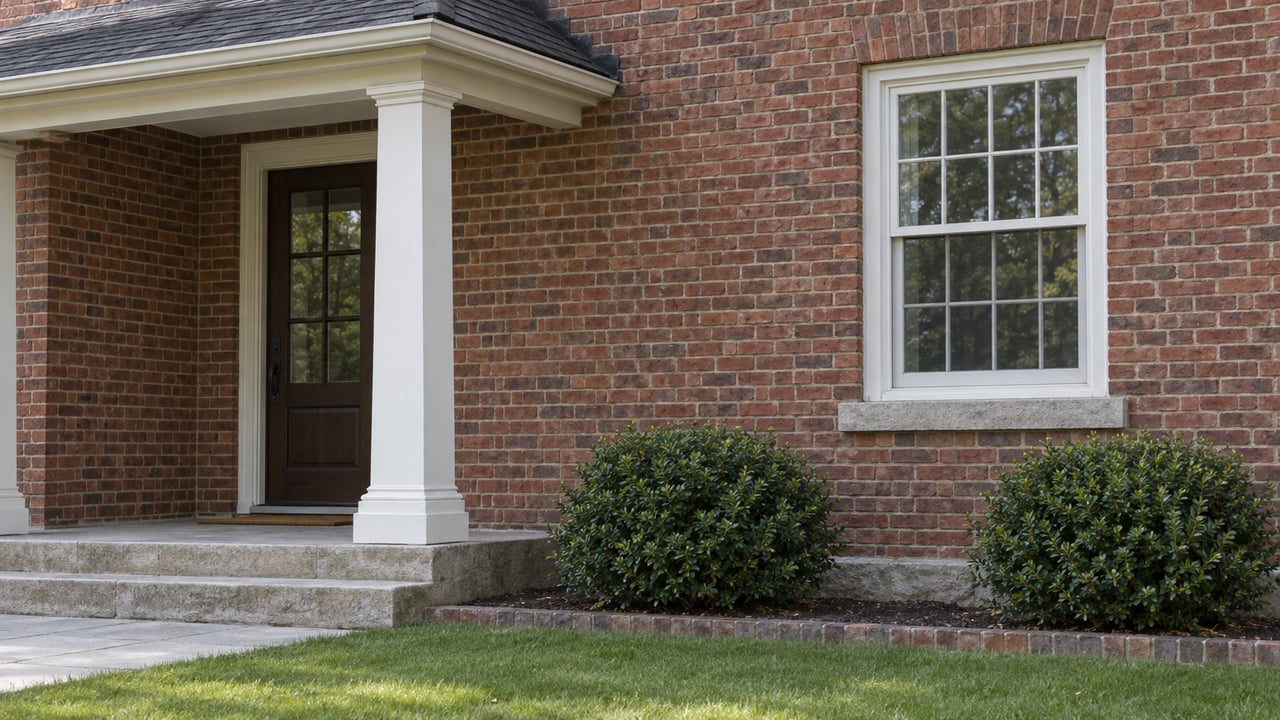
A buyer closes on a house in one of Sewickley's three historic districts and, within a year, may need a new roof or a replacement window. These projects can follow different review paths: reroofing may not require a building permit, while replacing a failing wood window may require a Certificate of Appropriateness, a Historic Review Commission meeting, and a Borough Council vote.
Understanding how Sewickley's preservation ordinance links review to permit requirements can help you assess a historic-district address before you write an offer, rather than waiting until a contractor explains what your project requires.
What Actually Triggers a Certificate of Appropriateness
Sewickley Borough has three historic districts, and the Pennsylvania State Historic Preservation Office reports that roughly 75 properties inside them are subject to design review when an owner alters anything visible from a public street or way and the work requires a building or demolition permit. The governing rule, Chapter 198 of the borough's Code of Ordinances, ties review to whether the work needs a building or demolition permit in the first place. If a project requires a permit, it also requires a Certificate of Appropriateness before that permit can be issued. The Historic Review Commission evaluates the application against the Secretary of the Interior's Standards for Rehabilitation, considering design, materials, massing, and how the work relates to neighboring structures, then forwards a recommendation to Borough Council for a vote.
That link between review and permits defines the ordinance's reach. Not every exterior change requires a permit, and when a project doesn't, the review step doesn't come into play.
How Roofs Fall Outside the Review
Roof replacement is the clearest example. Because reroofing a house often doesn't require a separate building permit under the borough's code, it also skips the Certificate of Appropriateness step by default. A homeowner can replace historic slate or tile with asphalt shingle without the Historic Review Commission ever weighing in. According to a writeup from the Pennsylvania State Historic Preservation Office, this exact gap has already changed rooflines across Sewickley's historic streets, as owners took what the office called the path of least resistance.
In practice, a full reroof, one of the most visible changes to a historic house, may not go through review. If you're budgeting a renovation around what you assume a "historic district" designation protects, this is the detail that will surprise you.
The Clock You're Actually Working Against
For projects that do trigger review, the timeline is more predictable than the word "commission" might suggest. Sewickley Borough's Historic Review Commission says a complete application has to reach the borough at least 10 days before the next HRC meeting to land on that month's agenda. The Commission reviews the submission, and if it can't reach a recommendation, the ordinance sets a hard backstop: after 45 days from the application date, the lack of a Commission recommendation is treated as a recommendation to approve. Borough Council, which meets on the second Tuesday of each month, still has to certify the appropriateness before a building permit is issued, but the 45-day clause means a stalled review can't drag on indefinitely.
For a seller planning visible exterior work before listing, or a buyer who wants to start a renovation shortly after closing, it helps to consider the review timeline.
Sewickley Is Developing New Preservation Guidelines
Sewickley's preservation ordinance, roof provisions included, has gone essentially unchanged since the borough adopted its Historic Districting Ordinance in 1997. That is about to shift. In March 2026, Sewickley Borough issued a request for proposals seeking a consulting firm to write a new Design Guidelines and Preservation Manual, explicitly using the Beaver Historic District and Mt. Lebanon design guideline manuals as models for scope and format. The RFP calls for the finished manual to cover building envelopes and primary materials, window and door details, and roofs and drainage systems, including flashing, gutters, and chimney conditions visible from the street. The borough's stated timeline is 12 to 18 months from notice to proceed.
The new manual's stated scope includes roofs and drainage systems. That makes it relevant to buyers considering exterior work, though its effect on requirements remains unclear. Anyone buying into a historic district now is buying under the current rules.
What This Means If You're Closing This Year
None of this should discourage anyone from buying in one of Sewickley's historic districts. The tree-lined streets, the walkable business district, and the housing stock that drew the borough its Certified Local Government status in the first place are exactly what makes these blocks desirable. But a buyer or seller transacting in 2026 should treat the current rules as a snapshot, not a permanent baseline.
A few things worth confirming before you write an offer or list a historic-district home:
- Whether the specific address sits inside one of the three historic districts. Maps are available through the Borough Manager's office, and it is worth confirming directly rather than assuming based on the street.
- Whether any planned exterior work, roofing included, would trigger a building permit under current code, since that determines whether COA review applies at all.
- Whether the seller has any record of a Certificate of Appropriateness application, approval, or denial tied to visible work already done on the house.
- Whether your renovation timeline can absorb a monthly HRC meeting cycle if the project does require review.
None of this replaces a conversation with the borough's zoning office directly, since the manual project could shift specifics before it's finalized. But knowing the shape of the current system, and that new preservation guidelines are being developed, means you're negotiating with information instead of assumptions.
A Few Questions Worth Asking
Does every exterior change in a historic district need a Certificate of Appropriateness? No. Only work that also requires a building or demolition permit triggers the review. Some changes, roof replacement being the clearest current example, can fall outside that requirement entirely.
How long does the COA process actually take? Applications need to be submitted at least 10 days before the next Historic Review Commission meeting. If the Commission doesn't act within 45 days, the ordinance treats that as a recommendation to approve, and Borough Council still votes at its regular second-Tuesday meeting.
Will the new design manual change what's allowed? The borough's March 2026 RFP outlines a manual covering materials, windows, porches, and roofs, modeled on existing manuals from Beaver and Mt. Lebanon. The project is expected to take 12 to 18 months, so specifics aren't final, but the scope suggests roofs and materials will get more defined guidance than they have today.
If you're weighing an offer on a historic-district home in Sewickley, or getting one ready to list before the new preservation guidelines are finalized, it helps to have someone who tracks these borough processes alongside the market itself. The Honeywill Team can walk you through what applies to a specific address today and request a free market valuation before you plan your next move.
This article is general information, not legal, tax or financial advice. Consult a qualified professional about your situation.