If you are exploring homes in Wexford, planned communities can look especially appealing at first glance. A pool, clubhouse, trails, or maintained common areas may promise a more convenient lifestyle, but it is also important to understand what those amenities really include and how they are managed. This guide will help you sort through the everyday benefits, the tradeoffs, and the questions to ask before you buy. Let’s dive in.
Planned Communities in Wexford
In Wexford, planned communities often combine private neighborhood amenities with access to public parks and recreation nearby. That mix can give you more options for daily life, whether you want a neighborhood pool, walking paths, playgrounds, or year-round fitness spaces.
The Wexford Property Owners Association offers one local example of how a planned community can function. According to the association, it was founded in 1986 and maintains streets, a gate, a pool, a clubhouse, and other common areas, while also supporting community and social events.
That does not mean every planned community in Wexford looks the same. Under Pennsylvania law, planned communities can range from amenity-rich neighborhoods to simpler associations that mainly manage shared infrastructure, landscaping, signage, open space, or stormwater facilities.
What Counts as a Planned Community
Pennsylvania’s Uniform Planned Community Act sets the legal framework for planned communities in the state. In practical terms, that means a neighborhood may be considered a planned community even if it does not have a long list of lifestyle amenities.
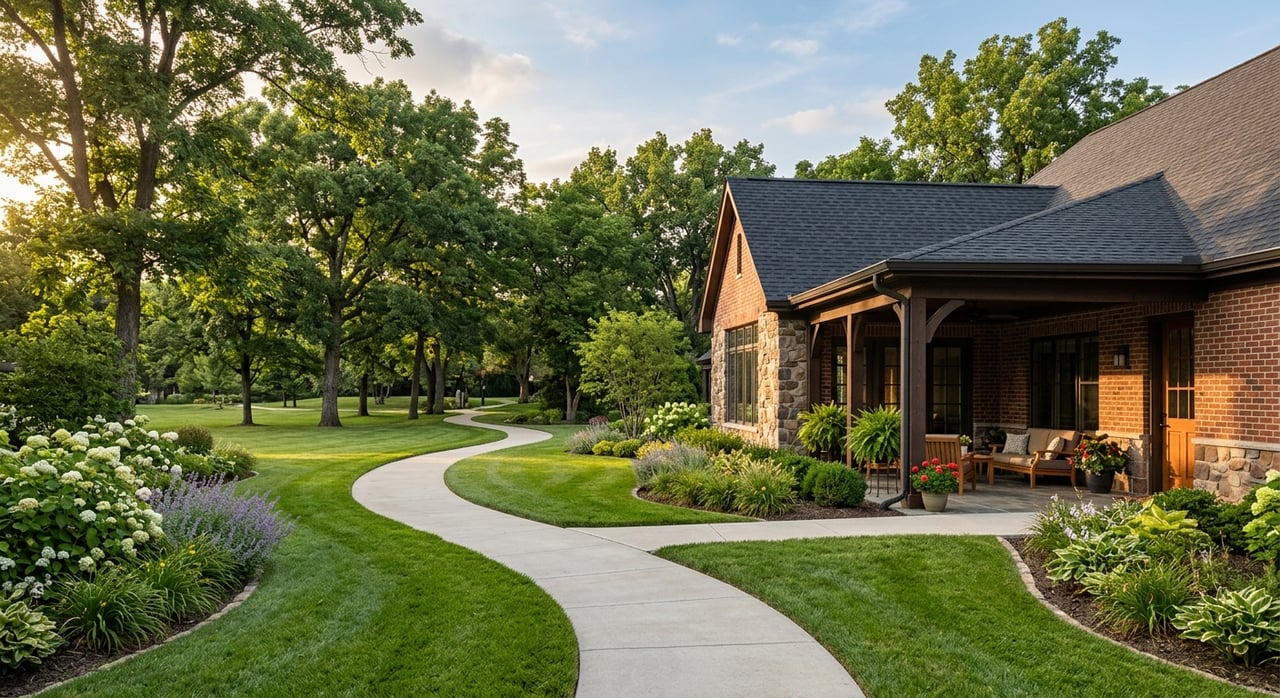
Common elements may include features such as lighting, landscaping, gates, walls, fences, monuments, and open space. Open space can also include parks, walkways, wooded areas, wetlands, and walking, hiking, or biking trails.
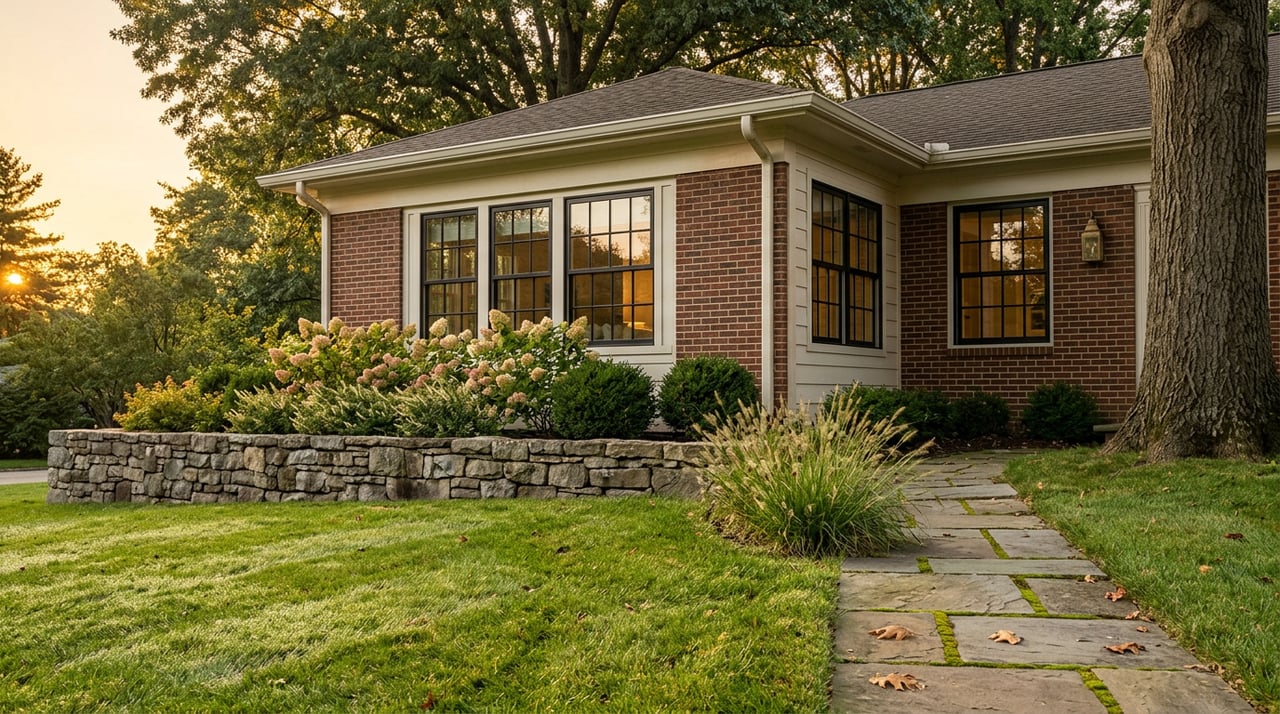
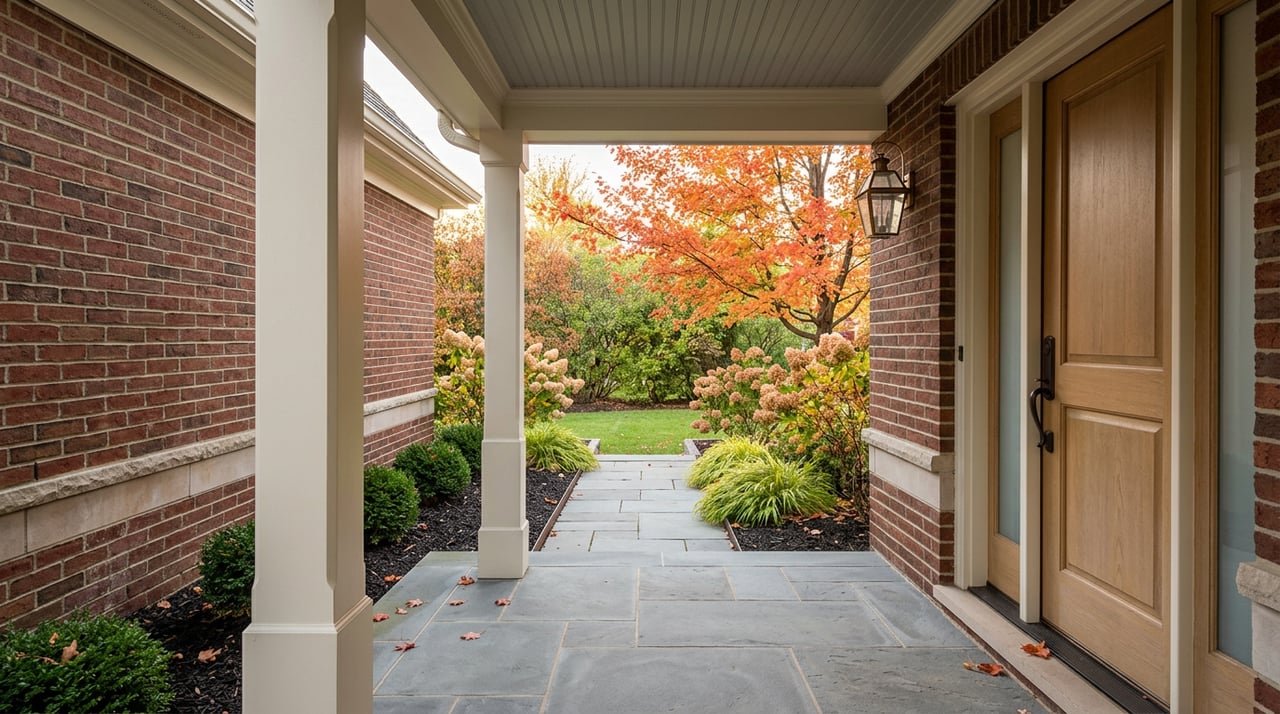
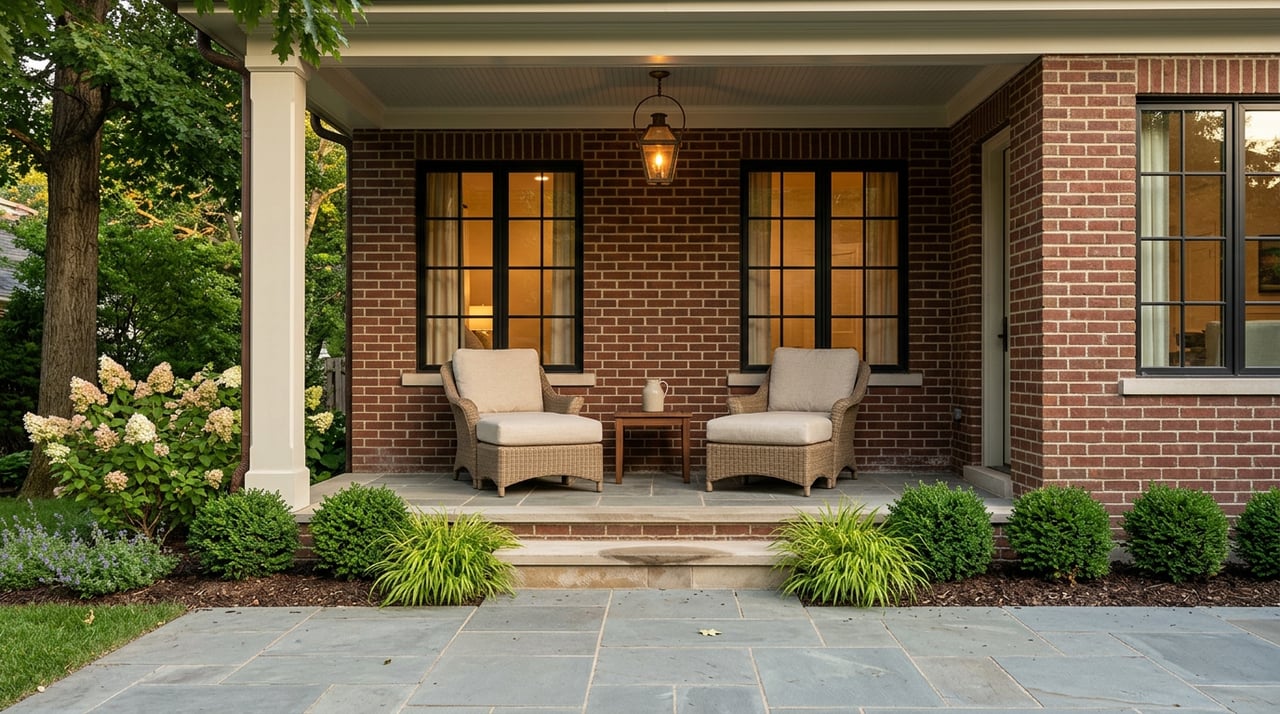
For you as a buyer, that distinction matters. A planned community may offer visible amenities like a pool or clubhouse, or it may focus more on maintaining the shared parts of the neighborhood that support appearance, access, and upkeep.
Everyday Amenities Near Wexford Homes
One of Wexford’s practical advantages is that private neighborhood amenities are not the whole story. Public recreation options in Pine Township and Marshall Township add another layer of convenience for residents in the broader Wexford area.
Pine Community Park
Pine Community Park spans 105 acres in Wexford. It includes hiking trails, nature trails, pavilions, playground areas, a fishing lake, and sports facilities such as fields, courts, and a putting green.
For many buyers, this means your lifestyle is not limited to what happens inside your neighborhood entrance. Even if a community has modest private amenities, nearby township recreation can still support active weekends and outdoor time close to home.
Pine Community Center
Pine Community Center offers two full-size gymnasiums and a temperature-controlled indoor walking track. That makes it a useful year-round option for exercise and casual activity, especially during colder or wetter seasons.
If you value convenience, this kind of nearby facility can shape how you think about a home search. You may not need every amenity inside the community itself if public options already support your routine.
Knob Hill Community Park
Knob Hill Community Park in Wexford includes walking trails, fields, playgrounds, a sand volleyball court, a sledding hill, and an 18-hole disc golf course. It offers another public recreation option that can complement neighborhood living.
For buyers comparing communities, this broader context matters. A neighborhood with fewer private features may still feel highly functional if it sits near well-used public parks and recreation spaces.
How HOAs Manage Amenities
If a home is part of a planned community, the homeowners association typically plays a central role in managing shared amenities and common elements. Under Pennsylvania law, an association may adopt bylaws and rules, set budgets and reserves, collect assessments, and hire managers or contractors.
Associations may also regulate the use and maintenance of common elements. In some situations, they may levy fines for violations and, after notice, suspend access to common elements or amenities.
The association is generally responsible for maintaining, repairing, and replacing common elements. Individual owners are generally responsible for their own units or homes.
What HOA Fees Usually Support
When you pay HOA dues in a planned community, those funds often support the shared parts of the neighborhood. Depending on the community, that may include things like private roads, gates, landscaping, pools, clubhouses, signage, lighting, or open space.
In some neighborhoods, fees may be tied more to infrastructure than to lifestyle perks. That is why it is important to look beyond the word “amenities” and ask what the dues actually cover now, and what future expenses may still be possible.
The Main Tradeoffs to Weigh
Planned communities can offer real convenience. Shared upkeep, coordinated maintenance, and access to neighborhood amenities can make daily life feel easier and more organized.
At the same time, those benefits come with obligations. You may have recurring dues, rules to follow, and the possibility of fines, access restrictions, or future special assessments.
This is not necessarily a negative. It simply means the right fit depends on your preferences, budget, and comfort level with community rules and shared decision-making.
What Buyers Should Review Carefully
If you are buying a resale home in a Pennsylvania planned community, state law requires the seller to provide key association documents. These include the declaration, bylaws, and rules or regulations, along with a certificate covering important financial and operational details.
That certificate includes monthly assessments, unpaid assessments, other fees, proposed capital expenditures, reserves, recent financial statements, the current operating budget, judgments, insurance, violations, lease term, and whether the property is part of a master association.
The association must furnish that certificate within 10 days of request. The purchase contract is voidable until the certificate is delivered and for five days afterward or until closing, whichever comes first.
Smart Questions to Ask Before You Buy
As you compare homes in Wexford planned communities, it helps to ask direct questions early. A clear review upfront can prevent surprises later.
Consider asking about:
- What amenities are private to the community
- What amenities are public and nearby instead
- What the HOA fee covers right now
- Whether there are reserve funds for future repairs
- Whether any capital projects are planned
- What rules apply to common areas and property use
- Whether the community has fines or access restrictions for violations
- Whether the property is part of a master association
You can also review Allegheny County land records when checking recorded plats, covenants, and easements. That can be helpful when you want a fuller picture of how a community is structured.
Why Local Guidance Matters in Wexford
On paper, two planned communities can seem very similar. In real life, the differences often show up in how amenities are maintained, how dues are structured, how public recreation supplements private features, and how the neighborhood fits your daily routine.
That is where local insight becomes valuable. When you understand not just the home, but also the community structure and surrounding amenities, you can make a more confident decision.
Whether you are buying your first home in the area, relocating to the North Hills, or searching for a higher-end property with specific lifestyle features, the details matter. If you want help comparing neighborhoods, reviewing what makes one community different from another, or planning your move in Wexford, connect with Linda Honeywill.
FAQs
What is a planned community in Wexford, PA?
- In Pennsylvania, a planned community is a neighborhood governed under the state’s Uniform Planned Community Act, and it may include shared features such as open space, landscaping, signage, gates, trails, or private amenities like a pool or clubhouse.
What amenities can planned communities in Wexford include?
- Amenities may include private roads, gates, pools, clubhouses, landscaping, lighting, open space, trails, and other shared common elements, depending on the community.
Are public parks part of planned community living in Wexford?
- Public parks are separate from private community amenities, but Wexford residents may also use nearby township facilities like Pine Community Park, Pine Community Center, and Knob Hill Community Park.
What do HOA fees cover in a Wexford planned community?
- HOA fees may support maintenance, repair, and replacement of common elements, along with services or amenities defined by the association’s governing documents and budget.
What documents should buyers review for a Wexford HOA home?
- Buyers should review the declaration, bylaws, rules or regulations, and the resale certificate showing assessments, fees, reserves, budget information, insurance, violations, and other required disclosures.
Can a homeowners association in Pennsylvania fine owners?
- Yes, Pennsylvania law allows planned-community associations to adopt rules, levy fines for violations, and in some cases suspend access to common elements or amenities after notice.
How quickly must an HOA provide resale information in Pennsylvania?
- For a resale in a planned community, the association must furnish the required certificate within 10 days of request.
Why do Wexford buyers need local real estate guidance for planned communities?
- Local guidance can help you compare neighborhood amenities, understand HOA structures, and evaluate how a specific community fits your budget, preferences, and everyday routine.