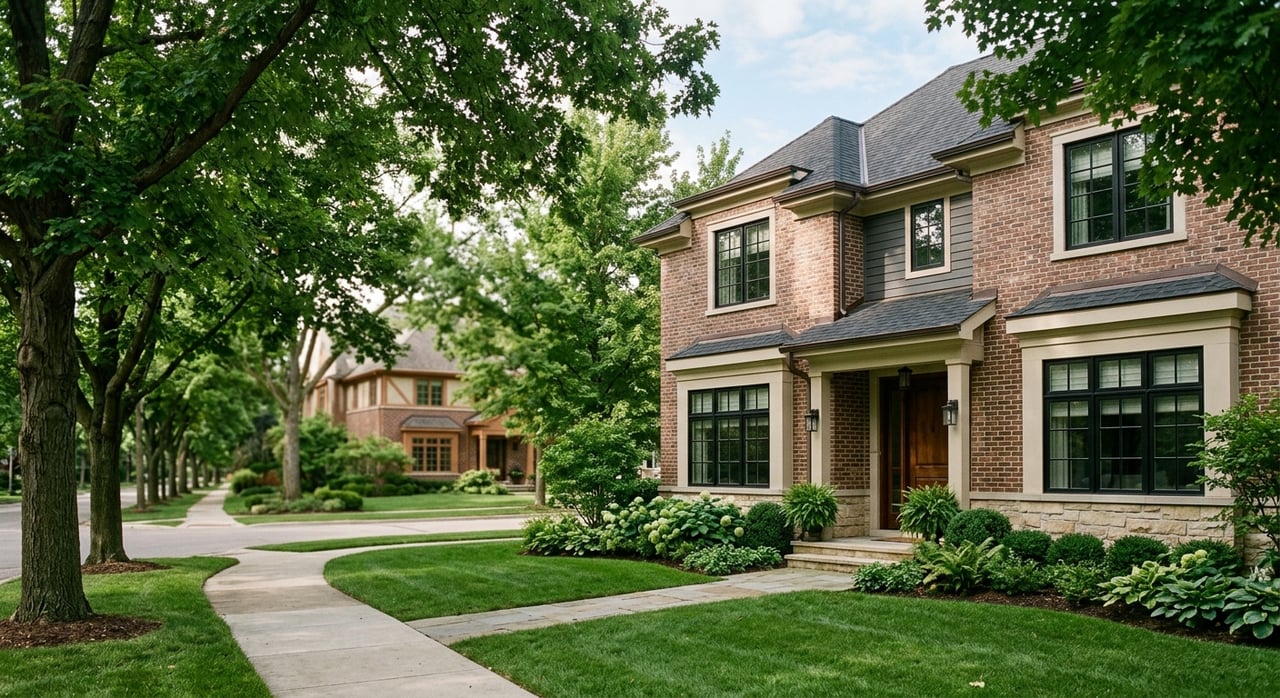
Wondering whether an HOA home in Richland Township is the right fit for you? That question matters more than many buyers expect, especially when you are comparing newer planned communities with traditional non-HOA neighborhoods. If you understand how these communities work before you buy, you can avoid surprises around fees, rules, approvals, and future costs. Let’s dive in.
What an HOA means in Pennsylvania
In Pennsylvania, a planned community is generally a real estate community where owners may be required to make payments tied to shared obligations such as maintenance, insurance, management, repair, or improvements. The Pennsylvania Attorney General notes that the Uniform Planned Community Act generally covers communities with more than 12 units.
These communities often include shared features like open space, landscaping, stormwater facilities, trails, private roads, walls, fences, monuments, or other common elements. Condominiums and cooperatives are treated differently under the law, even though they can sometimes exist within a larger planned community.
For you as a buyer, the key point is simple: an HOA or planned community is not just about a monthly fee. It is also a legal structure with recorded documents, governance rules, and shared financial responsibilities.
How planned communities work in Richland Township
In Richland Township, private HOA rules do not replace township requirements. If you plan to build a new home, add a deck, install a pool, or make other structural changes, the township may still require permits or zoning review.
That means you may need both HOA approval and township approval for the same project. If you are buying with future updates in mind, this is one of the most important things to verify before closing.
For subdivision and land development proposals, Richland Township also requires both township and county application packages. In practice, that makes it especially important to understand where private community rules end and where municipal regulation begins.
What the HOA can regulate
An association in a Pennsylvania planned community may adopt and amend bylaws and rules, create budgets, collect assessments, hire managers, regulate common elements, and levy reasonable fines after notice and an opportunity to be heard. Associations may also suspend certain rights when there is delinquency or an unresolved violation.
For day-to-day living, that usually means the rules may affect things like exterior changes, landscaping, parking, amenity use, and similar property issues. The exact limits depend on the recorded declaration, bylaws, and rules, so it is smart to review those documents carefully rather than assume what is or is not allowed.
The bylaws must also spell out how the board is structured, how elections work, how officers are chosen, and how the rules can be amended. Meetings must be held at least annually, and remote participation may be allowed unless the bylaws say otherwise.
How HOA leadership and builder control work
If you are buying in a newer Richland Township community, the builder may still control the association for a period of time. Under Pennsylvania law, declarant control can last up to 5 years in a typical planned community or up to 7 years in a flexible planned community.
That said, homeowner representation does not have to wait until the very end. Owner representation increases as sales reach 25% and 50%, and homeowners ultimately elect the board when the declarant control period ends.
This matters because governance can affect everything from budgeting priorities to how quickly owner concerns are addressed. If you are considering new construction, ask how many seats are already homeowner-elected and when full owner control is expected.
HOA fees: what you are really paying for
HOA dues are usually paid directly to the association, and they are generally not included in your mortgage payment. Consumer guidance cited in the research notes that dues can range from a few hundred dollars per month to more than $1,000 per month depending on the community.
In Pennsylvania, assessments must be made at least annually based on an annual budget. Depending on the community, your dues may help cover items such as landscaping, snow removal, private road maintenance, stormwater facilities, trash, amenities, insurance, management, and reserve funding for future repairs.
Some expenses may also be allocated differently if they benefit fewer than all units. That is one reason two homes in the same broader development may not always carry identical cost responsibilities.
Financial risks buyers should not ignore
A low monthly fee does not always mean a low-cost community over time. The bigger question is whether the association is budgeting realistically and maintaining reserves for future work.
Pennsylvania requires annual financial statements in certain communities, and the resale certificate must disclose reserve balances, current budgets, recent financial statements, proposed capital expenditures for the current and next two fiscal years, insurance, lawsuits, and other important financial details. Those disclosures can tell you a lot about whether dues are likely to stay stable or rise later.
You should also know that unpaid assessments can become a lien on the property. Overdue assessments may bear interest up to 15% per year under Pennsylvania law, which makes it important to understand the payment structure and any existing account balances before you close.
Associations may also charge certain resale-related fees and, in some cases, a capital improvement fee on resale or transfer, subject to statutory limits. That fee must be kept in a separate capital account and cannot be used for regular operating expenses.
What to review before buying a resale HOA home
If you are buying a resale property in a planned community, do not stop at the listing details. Ask for the declaration, bylaws, rules and regulations, and the resale certificate before signing.
Pennsylvania law requires the resale packet to include important disclosures, and the association must provide the certificate information within 10 days of a request. This is one of your best tools for understanding the true cost and structure of the community.
Here are some of the most important items to review:
- Current HOA dues and any other recurring fees
- Reserve balances
- Proposed capital expenditures for the current and next two fiscal years
- Recent financial statements and current budget
- Pending lawsuits involving the association
- Insurance information
- Any unpaid assessments or violations tied to the property
- Lease or rental restrictions
- Whether the community is part of a master association
If you see low reserves, major planned projects, or unresolved legal issues, ask more questions. Those items can point to future cost increases or added complexity after closing.
What to ask in new construction communities
If you are looking at a new home in Richland Township, the review process is a little different. In newer planned communities, the public offering statement is one of the most important documents you can receive.
That statement must explain the layout of the community, amenities, projected budget and assessments, major fees, insurance, liens, voting structure, governmental approvals, unresolved violations, and environmental issues. Buyers also have a limited 7-day cancellation right after receiving the statement or a material amendment.
Before moving forward, ask these practical questions:
- Is the association still builder-controlled?
- When does declarant control end?
- How many board seats are already elected by homeowners?
- What are the projected assessments?
- Are there any special fees at closing or after move-in?
- What amenities or common facilities will the HOA maintain?
- Are there any unresolved approvals or violations disclosed in the offering materials?
For buyers considering new construction, this document review can be just as important as the home tour itself.
HOA home vs. non-HOA home in Richland Township
For many buyers in Richland Township, the choice comes down to tradeoffs. A non-HOA home may offer fewer private restrictions and no HOA dues, while an HOA home may offer shared maintenance, amenities, open space features, and a more formal governance structure.
Neither option is automatically better. The right fit depends on how you want to live, what level of maintenance you are comfortable handling yourself, and whether you are comfortable following community rules on items like exterior changes, parking, or other property use issues.
If you value predictability and shared upkeep, an HOA community may appeal to you. If you prefer more independent decision-making about your property, a non-HOA option may feel more comfortable.
A smart buyer checklist
Before you buy in any Richland Township planned community, make sure you can clearly answer these questions:
- What does the HOA fee cover?
- Is the fee paid separately from the mortgage?
- How strong are the reserves?
- Are major projects or capital expenses planned soon?
- Are there pending lawsuits?
- Are there rental, pet, parking, fence, shed, or exterior-change restrictions?
- Is the property subject to any current violations or unpaid assessments?
- Will your planned improvements require both HOA approval and township permits?
- Is the board owner-controlled or builder-controlled?
A little extra homework up front can save you from a costly mismatch later.
When you are buying in a North Hills market like Richland Township, the details matter. Community documents, budgets, and approval requirements can all affect your day-to-day ownership experience just as much as the house itself.
If you want help comparing HOA and non-HOA options, reviewing how a planned community may affect your purchase, or narrowing your search in Richland Township, Linda Honeywill can help you move forward with clarity and confidence.
FAQs
What is a planned community in Pennsylvania?
- A planned community in Pennsylvania is generally a community where owners may be required to pay for shared obligations such as maintenance, insurance, management, repairs, or improvements, and the Uniform Planned Community Act generally covers communities with more than 12 units.
Do HOA rules replace Richland Township permit requirements?
- No. In Richland Township, HOA approval does not replace township requirements, so projects like additions, decks, pools, and other structural work may still need municipal permits or zoning review.
What documents should you review before buying an HOA home in Richland Township?
- You should review the declaration, bylaws, rules and regulations, and the resale certificate for a resale home. In a new community, you should also review the public offering statement.
Are HOA fees included in your mortgage payment?
- Usually no. HOA dues are generally paid directly to the association and are not typically included in your mortgage payment.
What should you look for in an HOA resale certificate?
- You should look for dues, reserve balances, planned capital expenditures, budgets, recent financial statements, lawsuits, insurance information, lease restrictions, violations, unpaid assessments, and whether the community is part of a master association.
How long can a builder control an HOA in Pennsylvania?
- In Pennsylvania, declarant control can last up to 5 years in a typical planned community or up to 7 years in a flexible planned community, with homeowner representation increasing as more homes are sold.
Can unpaid HOA dues affect the property you are buying?
- Yes. Under Pennsylvania law, unpaid assessments can become a lien on the unit, so it is important to confirm the status of assessments before closing.
How do you decide between an HOA home and a non-HOA home in Richland Township?
- The decision usually comes down to whether you prefer shared maintenance and community structure or fewer private restrictions and no HOA dues. Reviewing the documents and fee structure can help you decide which fit is better for your goals.