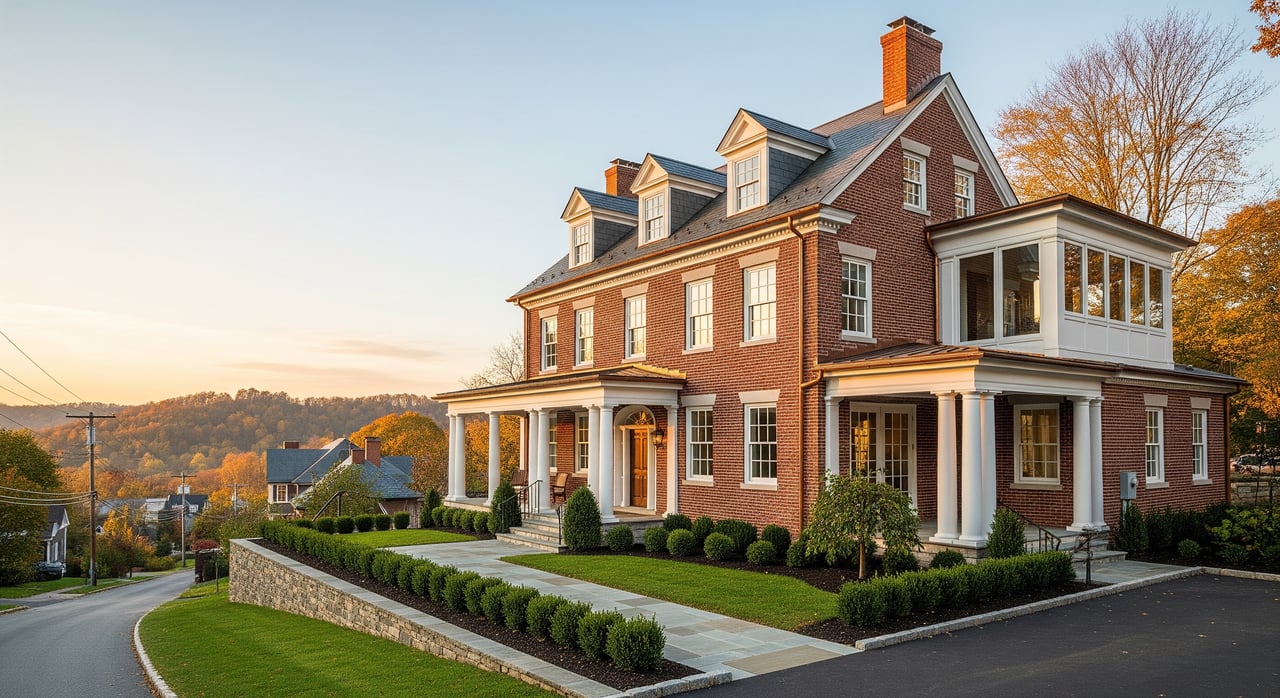
Wondering what an appraiser will say about a home in Mars? You are not alone. Whether you are buying or selling, that number can shape your price, your financing, and your next move. In this guide, you will learn how appraisals work in Mars, what affects value here, how long it takes, and what to do if the value comes in low. Let’s dive in.
What a home appraisal is
An appraisal is a licensed professional’s opinion of a property’s market value that your lender uses to approve financing. It is not a home inspection, a title search, or a guarantee of future value.
Appraisers in Pennsylvania must follow the Uniform Standards of Professional Appraisal Practice. You can read the official standards from The Appraisal Foundation’s USPAP. They are licensed and regulated by the Pennsylvania Board of Certified Real Estate Appraisers.
Who orders and who pays
Your lender, or an appraisal management company working for the lender, orders the appraisal after you apply for a loan. Buyers usually pay the fee at closing as part of loan costs.
Appraisal independence and your rights
Federal rules require appraisal independence. No one can pressure an appraiser to hit a target value. You also have the right to receive a copy of the completed appraisal from your lender. For consumer guidance on what an appraisal is and your rights, see the CFPB’s explanation of home appraisals and its note on receiving a copy of your appraisal.
Loan program differences that matter
- Conventional loans follow agency rules. See the Fannie Mae Selling Guide and Freddie Mac Seller/Servicer Guide.
- FHA and VA loans add program-specific property standards. See the HUD/FHA Single Family Housing Policy Handbook and the VA Lenders Handbook.
Mars appraisal timeline
Here is what typically happens after your lender orders the appraisal:
- Scheduling. The appraiser contacts the listing agent or seller to set an interior and exterior visit.
- Inspection. The appraiser measures, photographs, and notes condition, systems, finishes, and any issues.
- Research. They analyze recent sales, pending sales, active listings, public records, and neighborhood boundaries.
- Report. The appraiser completes a report, usually using the sales comparison approach for single-family homes.
- Underwriting. The lender reviews the appraisal with the rest of your loan file.
- Delivery. You receive a copy of the appraisal from the lender.
Typical timing in Butler County
- Scheduling: 2 to 10 business days after order.
- Inspection to completed report: 2 to 7 business days, sometimes 1 to 3 weeks for complex homes or during busy seasons.
- Total time: Often 1 to 2 weeks from order to lender delivery, with possible delays around holidays or high volume periods.
Local factors that affect speed
Mars is a small borough in a suburban commuter corridor north of Pittsburgh. Local appraiser availability, winter weather, and the supply of recent comparable sales can influence turnaround time. If your lender uses an appraisal management company, expect a bit more routing time between parties.
How appraisers value Mars homes
Methods they use
- Sales Comparison Approach. Primary method for most single-family homes. The appraiser compares your property to recent similar sales and adjusts for differences.
- Cost Approach. Useful when there are limited comparable sales, such as new construction or unique homes.
- Income Approach. Used for income-producing properties, not common for typical owner-occupied homes.
Picking comparable sales locally
Appraisers look for closed sales from the past 3 to 6 months, then pending and active listings as support. They prefer the same neighborhood or micro-market. In Mars, recent sales may be limited, so they may extend to nearby communities in Butler County when necessary and adjust for time or location.
Features that move value in Mars
- Lot size and topography. Larger or more usable lots often carry a premium. Proximity to busy roads can reduce value.
- Finished basements. Very common in Western PA. Below-grade space is considered but typically valued differently than above-grade living area.
- Permits and additions. Documented, permitted work supports value. Unpermitted improvements can reduce value or trigger lender-required fixes.
- Utilities. Whether the home has municipal water and sewer versus private well and septic can influence marketability and program eligibility.
- Comparable supply. Small boroughs have fewer nearby sales, so solid documentation and context matter.
What you can and cannot influence
What you can do
- Share facts. Provide the MLS sheet, a list of improvements with dates, permits, and receipts, a survey or floor plan, HOA documents, and any relevant local comparable sales.
- Prepare access. Ensure the appraiser can see all rooms and systems. Turn on lights, unlock areas, and label utility access.
- Tidy up. Declutter and address obvious safety items like loose steps or leaky fixtures when feasible.
- Verify details. Confirm the address, legal description, and lot lines with any available survey.
What you cannot do
You cannot ask the appraiser to reach a specific number. Their opinion must be independent and follow USPAP and lender guidelines.
If you think value is off
Ask your lender to submit a reconsideration of value. Provide new, verifiable information, such as overlooked comparable sales, corrected square footage, or documented updates that did not make it into the report. The lender may forward your evidence to the appraiser, order a review, or, in limited cases, allow a second appraisal.
Prepare for the appraiser
Documents to have ready
- MLS listing sheet and marketing remarks
- List of improvements with dates, permits, and receipts
- Survey or site plan, if available, including easements
- HOA documents and seller disclosures, if applicable
- Utility details and proof of municipal or private services
- A short list of truly similar recent sales with a note on why they match
Property prep checklist
- Clean, declutter, and make major systems easy to access
- Fix basic safety issues if possible
- Clear snow and ice, trim seasonal obstacles, and ensure safe walkways
Read your report and plan next steps
Key sections to review
- Subject description. Check square footage, beds and baths, basement area, lot size, and legal description.
- Sales comparison grid. See which comps were used and how adjustments were made.
- Photos and comments. Confirm your upgrades appear and are described correctly.
- Final opinion of value. This is the number the lender uses.
- Conditions and repairs. Note anything flagged for safety or structural concerns that could affect funding.
If value meets or exceeds price
Underwriting typically proceeds, and you move toward closing, subject to other loan conditions.
If the appraisal is low
You have options:
- Bring additional cash to cover the gap.
- Negotiate a price reduction or a split concession with the other party.
- Submit a reconsideration of value with stronger comps and corrected data.
- Explore a review or a second appraisal if your lender allows.
- Use your financing contingency to cancel if your contract permits.
Local pitfalls to avoid
- Small sample size. Mars can have limited recent sales. Help the appraiser with the best nearby comps and context.
- Winter visibility. Snow and early sunsets can hide decks, yards, and exterior condition. Clear paths and schedule with enough daylight.
- Finished basement math. Do not blend basement square footage with above-grade living area. Keep the figures separate and documented.
- Permitting gaps. Unpermitted additions are red flags. Gather permits in advance.
- Unique upgrades. High-end finishes may not fully price out if nearby comps lack similar features. Provide costs and market evidence when you make a case.
Quick Mars checklist
For buyers, expect about 1 to 2 weeks from order to delivery, keep your financing contingency language clear, be ready to cover a shortfall or negotiate if value comes in low, and offer the appraiser useful facts and recent comps when appropriate. For sellers, gather permits, receipts, and surveys, declutter and stage key rooms, verify square footage and lot data, and remember the appraiser is independent, so focus on accurate documentation rather than a target number.
We can help in Mars
A smooth appraisal starts with preparation and local context. Our North Hills team coordinates access, compiles the right documents, and frames Mars market data so your appraiser has what they need. If value misses the mark, we guide you through strategy, from reconsideration requests to pricing and terms. Ready to plan your sale or purchase with a team that knows Mars and Butler County well? Connect with Linda Honeywill to Request a Free Market Valuation.
FAQs
What is a home appraisal in Mars, PA?
- It is a licensed appraiser’s independent opinion of a home’s market value that your lender uses to approve financing, separate from a home inspection.
How long does a Mars appraisal usually take?
- Most take about 1 to 2 weeks from order to lender delivery, though complex homes, holidays, or winter weather can extend the timeline.
What if I am using FHA or VA financing?
- FHA and VA appraisals include program-specific property standards, so the appraiser may note repairs that must be completed before closing.
Can I challenge a low appraisal in Mars?
- Yes, ask your lender for a reconsideration of value and submit new, verifiable evidence like better comps, corrected data, or documented upgrades.
Do finished basements count the same as above-grade space?
- No, appraisers typically value below-grade finished space differently than above-grade living area, so keep the measurements separate and documented.